Explore this article · 10 sections
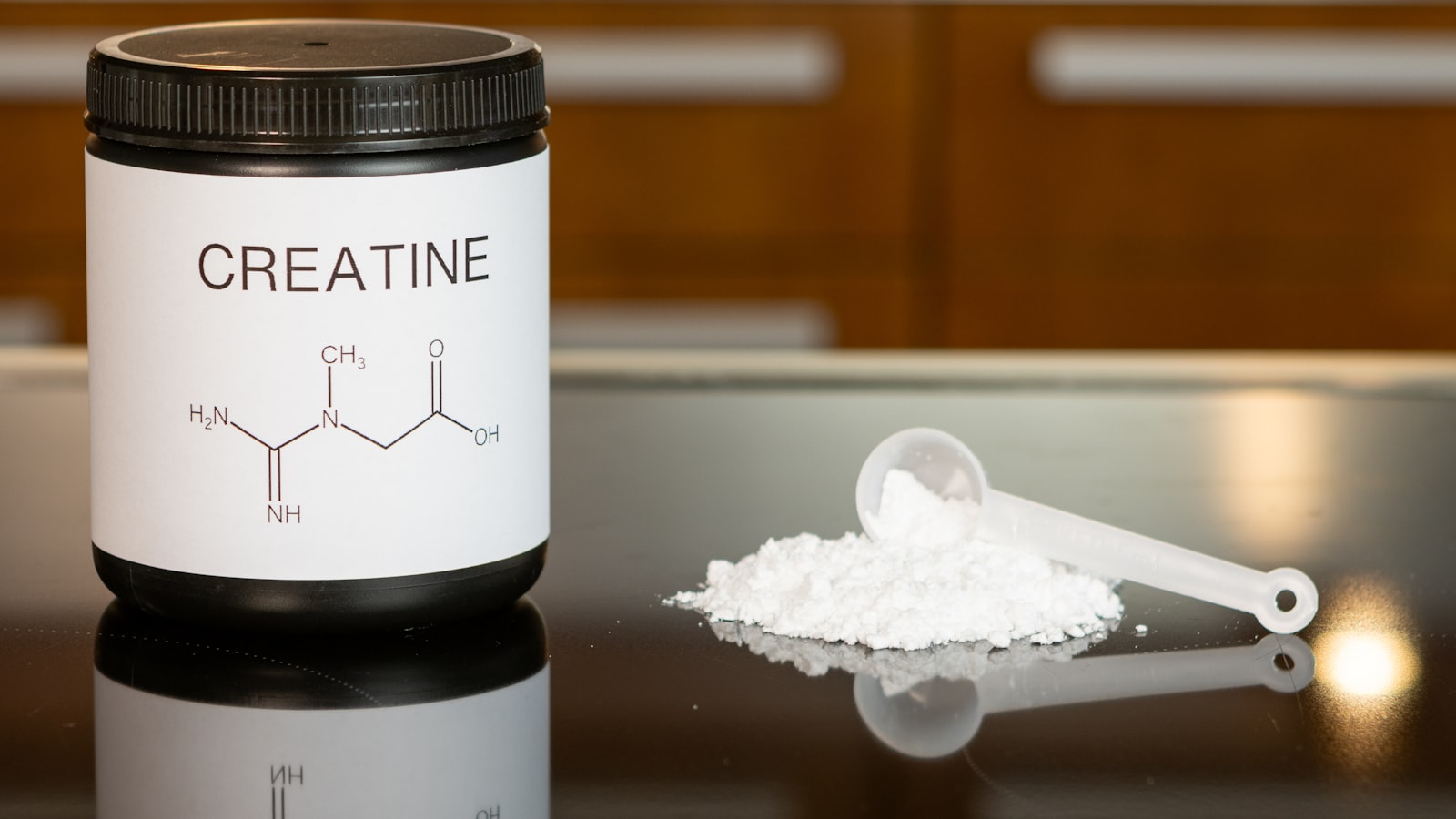
Creatine monohydrate may be permissible when the creatine and every other ingredient meet the halal standard you follow. The word “creatine” on the front label is not enough to verify the entire product because capsules, gummies, flavors, and processing can add other questions.
This guide explains the nutrition evidence and the label check. It does not issue a fatwa for a product.
What creatine does
Creatine is a compound stored mainly in muscle. It helps the body replenish energy during short, repeated, high-effort activity.
The U.S. National Institutes of Health reports that creatine can improve strength, power, and repeated intense efforts for some people. Results vary, and it appears less useful for long-duration endurance activity (NIH exercise supplement fact sheet).
Creatine does not replace a progressive workout plan, enough food, or sleep. It may provide a small performance advantage that helps someone complete more quality work over time.
Why the halal answer needs a product check
Commercial creatine is commonly manufactured rather than extracted from meat, but that fact alone does not certify the tub in your hand. A complete check includes:
- The creatine ingredient and its manufacturing documentation
- Gelatin or other capsule material
- Flavors and carrier solvents
- Gummy ingredients
- Shared processing and cross-contact standards
- The reliability and current status of any halal certification
An unflavored powder with one listed ingredient removes several common questions. It does not provide independent proof about manufacturing, so choose halal certification when your standard requires that proof.
A five-step label check
1. Read the exact product name
Look for “creatine monohydrate.” It is the most widely studied form. Other forms are not automatically prohibited, but they often cost more and have less evidence of an advantage.
2. Read every ingredient
A plain powder may list only creatine monohydrate. A flavored drink, pre-workout blend, capsule, or gummy can include many other ingredients.
3. Check the dosage panel
Confirm how many grams the stated serving provides. A scoop size and a creatine dose are not always the same number.
4. Verify certification
Check the certifier's name or mark, then search the certifier's current database when possible. Certification can apply to one product or factory rather than every item sold by a brand.
5. Ask a precise question
If the product is not certified, ask the manufacturer: “What are the sources and processing aids for this product, including the capsule, flavors, and carriers?” Save the written answer and take it to a qualified scholar if the ruling remains unclear.
How much do people use?
The NIH summarizes two research protocols:
| Approach | Common research dose | What it changes |
|---|---|---|
| Loading | About 20 g daily, split into four servings, for 5–7 days | Raises muscle stores faster |
| No loading | About 3–5 g daily | Raises stores more gradually |
| Maintenance | About 3–5 g daily after loading | Maintains increased stores |
Loading is optional. A smaller daily amount can reach a similar saturation level more slowly. More is not automatically more effective, and large single servings can cause stomach discomfort.
What results are realistic?
Creatine may improve repeated short, intense efforts such as lifting sets or sprints. Some people respond more than others. A small increase in body weight can occur because water is held inside muscle.
Creatine does not act like caffeine, and most users do not feel an immediate surge. Judge it through several weeks of comparable workout records rather than a feeling after one serving.
Safety and product quality
The NIH describes creatine as generally safe for healthy adults at studied doses and notes possible weight gain from water retention and occasional gastrointestinal symptoms. Research does not cover every medical condition, age, medication, or product mixture.
Speak with a qualified clinician before use if you have kidney disease, are pregnant or breastfeeding, take medication that affects kidney function, or have another relevant medical concern. Stop and seek help for a concerning reaction.
Dietary supplement rules differ by country. In the United States, supplements are not approved by the FDA for safety and effectiveness before they reach the market in the same way medicines are (FDA dietary supplement overview). Independent product testing can help check identity and contamination, but sports certification and halal certification answer different questions.
Creatine during Ramadan
A person who chooses to use creatine can take the regular daily serving between iftar and suhoor. There is no need to force a loading phase into a short eating window.
Plan normal fluid intake throughout the non-fasting hours and consider stomach comfort. Creatine does not remove the effects of daytime fluid restriction, sleep changes, or lower food intake. Ask a clinician and scholar about circumstances that affect your health or fast.
How Rizanah helps
Rizanah can store a product check beside the nutrition and workout plan it is meant to support. Record the exact product, serving, certification source, and start date rather than saving only the word “creatine.”
Then compare several weeks of workout performance, body-weight trend, and any symptoms. Rizanah helps organize the evidence from your own routine, but it does not declare a supplement halal or replace medical advice.
Frequently asked questions
Is unflavored creatine automatically halal?
No. A one-ingredient powder is simpler to investigate, but automatic certainty would require information the front label may not provide.
Do I need creatine to build muscle?
No. Progressive resistance workouts, enough food, protein, and recovery are the foundation. Creatine is optional.
Does creatine dehydrate you?
Research in healthy users does not support a general claim that standard creatine use causes dehydration. That does not make hydration unimportant, particularly during heat, illness, or a daylight fast.
The main idea
Check the whole product rather than assuming the creatine molecule settles every halal question. If you choose to use it, creatine monohydrate has the strongest performance evidence, common research doses are clear, and real results should be judged over time.
This article provides general educational information rather than medical advice or a religious ruling.