Explore this article · 10 sections
Whey protein is not automatically halal or haram from its name alone. Its status can depend on the enzymes used during cheese production, added flavors and processing aids, handling, and the halal standard you follow.
The easiest path is a currently halal-certified product. When certification is absent, you need more information than the front label normally provides.
What whey protein is
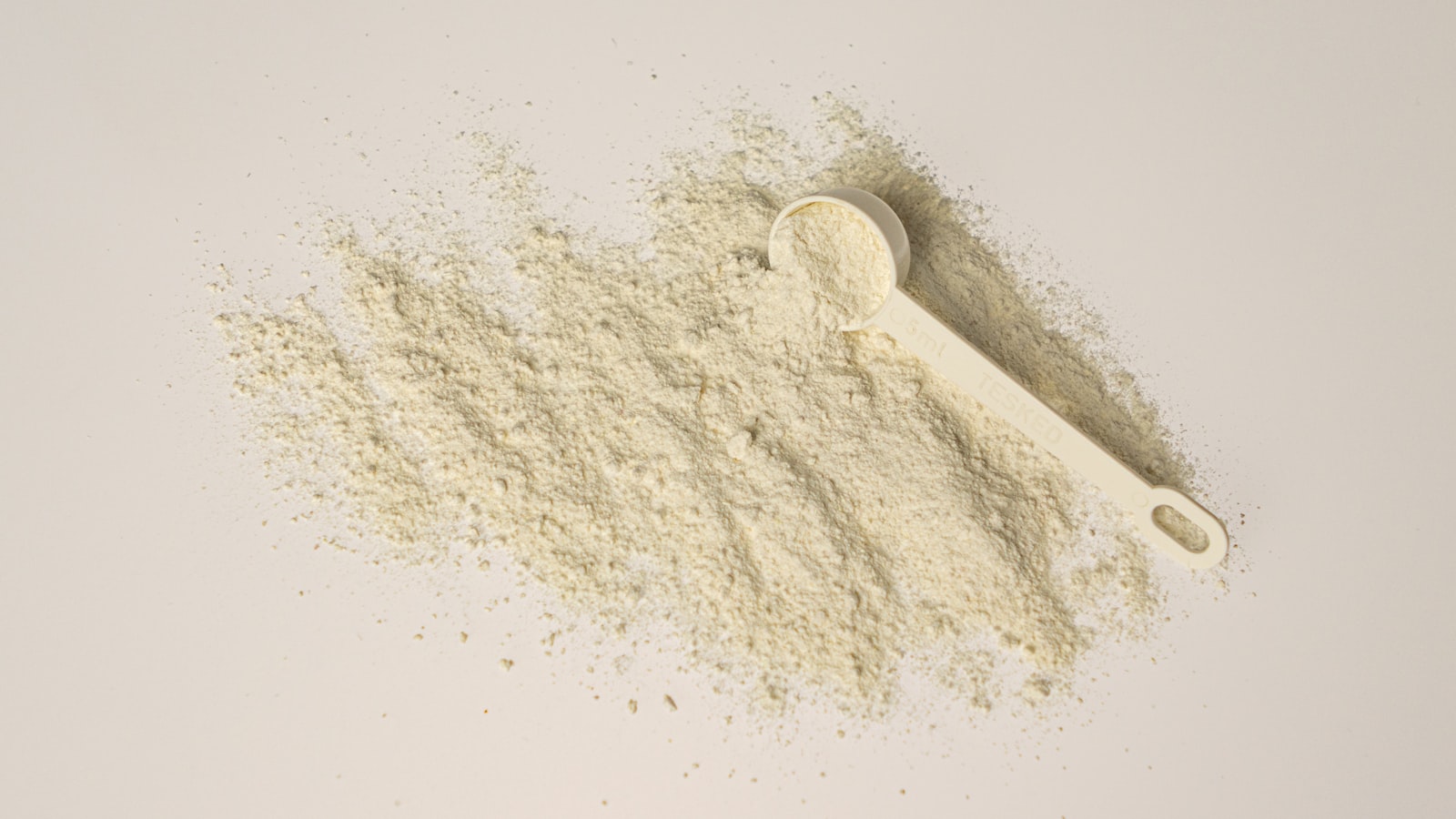
Milk contains casein and whey proteins. During many cheese-making processes, the curd becomes cheese and the liquid portion contains whey. Manufacturers filter and dry that liquid to make whey protein powder.
Common types include:
| Type | What the name usually means |
|---|---|
| Whey concentrate | Contains protein plus more lactose and fat than isolate |
| Whey isolate | More highly filtered, usually with less lactose and fat |
| Whey hydrolysate | Protein has been partly broken into smaller pieces |
These names describe processing and composition. They do not prove halal status.
Why enzymes matter
Cheese can be made with enzymes from microbial, plant, or animal sources. If whey comes from that cheese process, a shopper may want to know which enzyme was used and whether an animal source met the halal standard they follow.
Scholars and certification bodies may evaluate enzymes, transformation, and trace ingredients differently. This article cannot turn “microbial,” “animal,” or “cheese whey” into a universal ruling. Halal certification or reliable manufacturing documentation gives a qualified scholar more useful information.
The complete product check
Rennet is one question, not the only question. Check these areas:
1. Halal certification
Look for the certifier's name or mark on the exact package. Verify it through the certifier's current directory when possible. A brand may sell a certified product in one country and a different formula elsewhere.
2. The whey source
Ask whether the whey is produced with enzymes and processing aids acceptable to the certifier or scholar you follow. A customer-service answer should identify the product and region because suppliers can change.
3. Added ingredients
Flavors, emulsifiers, marshmallow pieces, cookie pieces, enzymes, and carrier solvents may require investigation. A chemical-sounding name is not automatically prohibited, while a familiar name is not automatically permissible.
4. Capsules and special formats
Protein powder rarely needs a capsule, but protein snacks and supplements may contain gelatin. Gummies and bars can add more ingredients than plain powder.
5. Independent quality testing
Sports testing can help verify label accuracy or banned-substance risk. It does not replace halal certification because the two programs answer different questions.
A message to send the manufacturer
Use a question the company can answer:
I am asking about the exact product and flavor sold in my country. Is the whey produced using animal, microbial, or plant enzymes? Do any flavors, carriers, emulsifiers, or processing aids come from animal sources or contain alcohol? Is this product certified halal, and by which organization?
Keep the response with the product name, flavor, lot information if available, and date. A vague answer such as “whey is dairy” does not address the manufacturing questions.
Does whey build more muscle than food?
Whey is rich in essential amino acids and is convenient, but it is not required. The ISSN states that most exercising adults can support muscle with about 1.4 to 2.0 grams of protein per kilogram per day and that whole foods can meet this need (ISSN protein position stand).
A scoop is useful when it fills a real gap. If meals already provide enough protein, adding whey does not guarantee extra muscle. Workout quality, total food, sleep, and time still matter.
Whey concentrate, isolate, or plant protein?
Choose based on digestion, cost, preference, protein content, and halal verification.
- Concentrate is often less expensive and may contain more lactose.
- Isolate usually contains less lactose, although it is not guaranteed lactose-free.
- Hydrolysate is often more expensive and is unnecessary for most recreational lifters.
- Pea, soy, or blended plant protein avoids the cheese-enzyme question but still requires a check of added ingredients and manufacturing.
Plant protein is not automatically inferior. Total amount, amino-acid profile, digestion, and the rest of the diet affect how well it serves the goal.
How to compare two products
| Question | Product A | Product B |
|---|---|---|
| Exact serving size | ||
| Protein per serving | ||
| Cost per serving | ||
| Halal certifier and current listing | ||
| Enzyme or whey-source documentation | ||
| Added ingredients needing review | ||
| Independent sports testing if needed |
This table prevents a bright front label or long ingredient list from deciding the purchase by itself.
How Rizanah helps
Rizanah can store the exact whey product, flavor, certification source, serving size, and protein estimate together. That makes it easier to reuse a verified product and notice when a reformulation or regional package requires another check.
You can also compare the shake with regular meals. If eggs, yogurt, lentils, chicken, tofu, or another food already closes the protein gap, the app can show that a powder is optional rather than required.
Frequently asked questions
Is whey from milk automatically halal?
Milk may be straightforward, but whey can be connected to cheese processing and other added ingredients. Check the complete product.
Does “vegetarian” mean halal?
Not necessarily. Vegetarian labeling can help with animal-derived ingredients, but it may not address alcohol carriers, processing, cross-contact, or the halal standard you follow.
Can I trust a list of halal whey brands?
Use lists only as leads. Verify the exact product, country, formula, and current certification before buying because these can change.
The main idea
Do not guess from the word “whey,” a brand reputation, or an old product list. Verify the exact product through current halal certification or detailed manufacturing information, then choose the protein source that fits your diet and workout goal.
This article provides general educational information rather than medical advice or a religious ruling.