Explore this article · 11 sections
- 01A practical protein starting point
- 02Halal status and protein quality are separate checks
- 03Animal protein sources
- 04Plant protein sources
- 05What about protein powder?
- 06How much protein belongs in one meal?
- 07A corrected example day
- 08Protein during Ramadan
- 09How Rizanah helps
- 10Frequently asked questions
- 11The main idea
Protein helps repair and build body tissue, including muscle. A useful protein plan answers three questions: How much is a reasonable starting point, which foods fit your needs, and what must be checked for halal status?
You do not need a special food at every meal. You need enough total protein, a workout that gives your muscles a reason to adapt, enough food overall, and time to recover.
A practical protein starting point
The International Society of Sports Nutrition states that about 1.4 to 2.0 grams of protein per kilogram of body weight per day is sufficient for most exercising adults who want to build or maintain muscle (ISSN protein position stand). This is a research-based range rather than a personal prescription.
| Body weight | At 1.4 g/kg | At 1.6 g/kg | At 2.0 g/kg |
|---|---|---|---|
| 60 kg | 84 g | 96 g | 120 g |
| 75 kg | 105 g | 120 g | 150 g |
| 90 kg | 126 g | 144 g | 180 g |
Someone new to strength workouts can begin near the lower or middle part of the range. The upper end is not automatically better. People with kidney disease, pregnancy, an eating-disorder history, or another relevant condition should ask an appropriately qualified clinician for individual guidance.
Halal status and protein quality are separate checks
A food can contain useful protein and still require a halal check. A halal food can also provide very little protein. Use two columns in your mind:
| Halal check | Nutrition check |
|---|---|
| What is the ingredient source? | How much protein is in my portion? |
| Is meat certified by a body I trust? | Does the meal include other needed foods? |
| Could a capsule, enzyme, or flavoring matter? | Does this amount support my goal? |
The Codex halal food guidelines describe halal as a question of food, ingredients, processing, and handling. They do not treat halal certification as a nutrition score.
Animal protein sources
Poultry, beef, and lamb
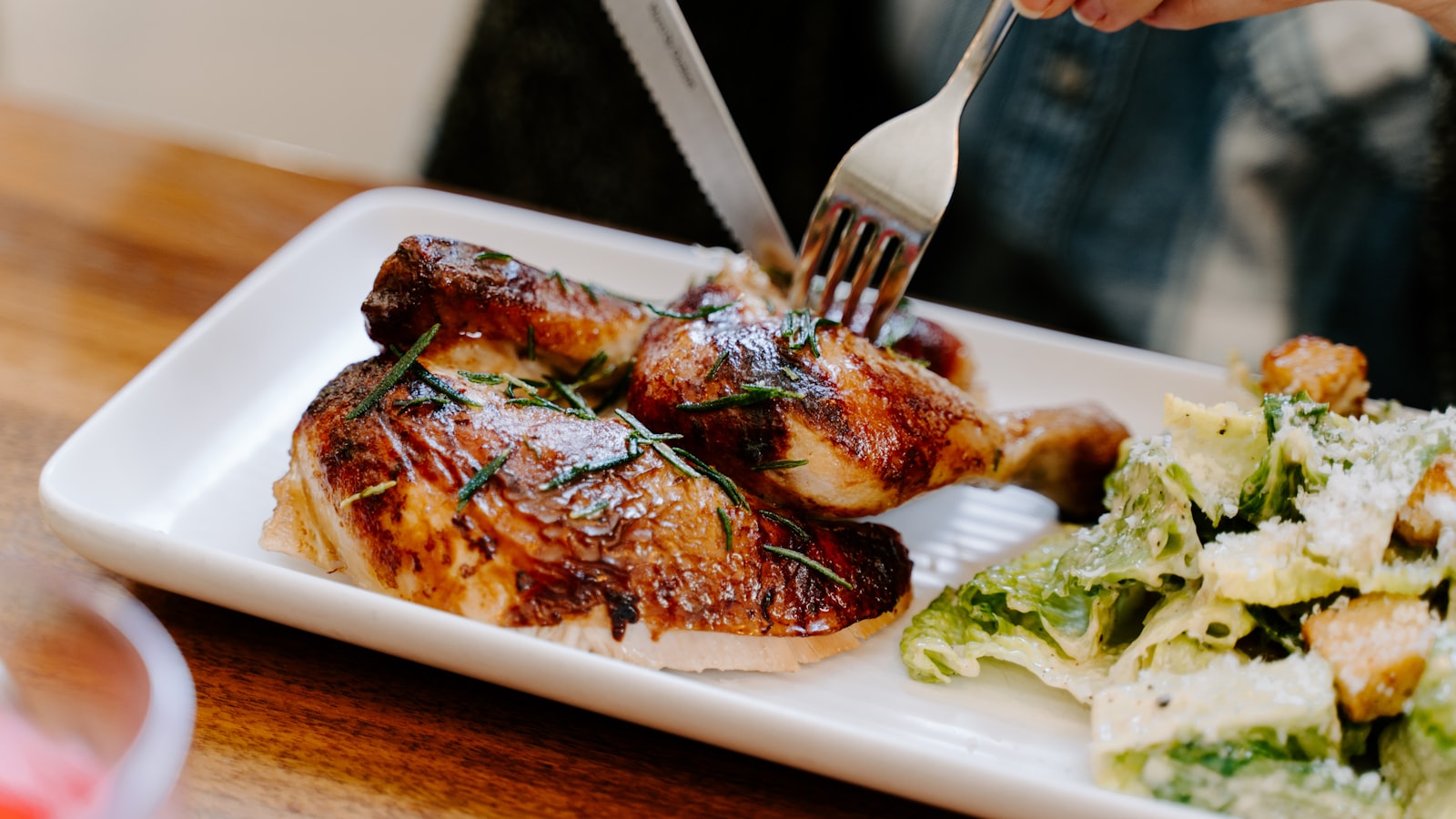
Meat supplies complete protein, meaning it contains all nine essential amino acids. Check certification, supplier practices, and slaughter requirements according to the standard you follow. Do not assume that a restaurant dish is halal because it contains chicken rather than pork.
Cooked protein amounts vary with the cut and water lost during cooking. A food database or package label gives a better estimate than a universal number.
Fish and seafood
Fish is a useful source of protein and may also provide omega-3 fats. Islamic schools differ on some forms of seafood, so the correct choice depends on the ruling you follow. Prepared seafood can also contain cooking wine, gelatin, or flavorings that deserve a label check.
Eggs and dairy
One large egg usually provides about six grams of protein. Plain milk and yogurt are straightforward for many shoppers, while cheese can require a check because enzymes or rennet may be involved.
Do not assume every soft cheese is rennet-free or every hard cheese uses animal rennet. Look for halal certification, a clearly named microbial or plant enzyme, or an answer from the manufacturer.
Plant protein sources
Beans, lentils, chickpeas, tofu, tempeh, nuts, seeds, and grains can all contribute protein. Plant foods also provide fiber and other nutrients. A person does not need to combine specific plant proteins at the same meal because variety across the day can provide the essential amino acids the body needs.
Processed plant products still need ordinary label reading. A flavored meat substitute may contain alcohol-based flavoring or another ingredient that matters to the standard you follow.
What about protein powder?
Protein powder is concentrated food, not a requirement for muscle gain. It can be useful when cooking, appetite, travel, or cost makes a regular meal difficult.
Check these details before buying:
- The protein source, such as whey, casein, pea, rice, or soy
- Halal certification when you need independent verification
- Gelatin in capsules or gummies
- Flavorings, enzymes, emulsifiers, and other ingredients with an unclear source
- Independent testing for label accuracy or banned substances if you compete
Do not rely on a list of brands from an old article because formulas and regional certifications can change. Check the package you will actually buy and confirm the product in the certifier's current directory.
How much protein belongs in one meal?
The ISSN paper gives a general serving estimate of about 0.25 grams per kilogram or roughly 20 to 40 grams of high-quality protein. It also states that the best amount varies with age, body size, the food, and the recent workout.
This is not a hard absorption limit. Your body still digests a meal containing more than 40 grams, and a larger person or larger mixed meal may reasonably contain more. Spreading protein across three or four meals is a practical method, not a rule that makes every gram above a line useless.
A corrected example day
Here is a day for someone aiming for roughly 120 grams. Values are estimates, so use the label and portion you have.
| Meal | Example | Estimated protein |
|---|---|---|
| Breakfast | 3 eggs and 200 g Greek yogurt | 36–42 g |
| Lunch | Lentil bowl with rice and yogurt sauce | 22–28 g |
| Snack | Halal-certified whey or a pea-rice blend | 20–25 g |
| Dinner | 140 g cooked halal chicken with vegetables and potatoes | 40–45 g |
| Total | Depends on products and portions | About 118–140 g |
The ranges are intentional. Egg size, yogurt brand, cooked meat weight, and recipe ingredients change the result.
Protein during Ramadan
Fewer eating hours can make regular meals harder. Begin by identifying two main meals and one smaller opportunity between iftar and suhoor.
For example, include eggs and yogurt at suhoor, chicken or lentils at iftar, then use milk, yogurt, leftovers, or a verified protein powder later if another feeding fits your night. Total food, hydration, sleep, and workout timing matter alongside protein.
Do not promise yourself that a target will happen automatically. Write the foods and approximate portions before the fast begins, then adjust from what you actually manage to eat.
How Rizanah helps
Rizanah can keep verified foods, saved meals, recipes, and protein estimates together. Save three breakfasts, lunches, and dinners that fit the halal standard you follow, then select from those meals when planning the week.
The app reduces repeated searching, but it does not guess an unknown ingredient or restaurant portion. Record the amount you ate, review the weekly pattern, and change foods that are inconvenient, expensive, or regularly leave the plan short.
Frequently asked questions
Do I need protein powder?
No. Food can provide enough protein. Powder is useful when it makes the plan easier and the product meets your halal and quality requirements.
Is collagen a good muscle-building protein?
Collagen has a different amino-acid profile from complete proteins such as dairy, egg, soy, meat, or a suitable plant blend. Do not count it as the main protein source for muscle gain.
Is more protein always better?
No. Once intake is sufficient, more protein may add little while crowding out carbohydrate, fat, fruit, vegetables, or foods you enjoy.
The main idea
Choose a reasonable daily range, build it from several foods you can verify, and use product labels for the portions you actually eat. Protein supports muscle, but it works alongside progressive workouts, adequate energy, and recovery.
This article provides general educational information rather than medical advice or a religious ruling.